

2025-04-18
As demand for electric tricycles continues to grow, more and more users are phasing out lead-acid batteries. The core reason for choosing lithium batteries in electric tricycles lies in their exceptional compatibility with the practical requirements of these vehicles, offering significant advantages over traditional lead-acid batteries. With benefits such as high energy density, extended cycle life, rapid charging capabilities, and lightweight design, lithium batteries have gradually become the preferred choice for electric tricycles.
The standard voltages for lithium batteries in electric tricycles are primarily 48V and 60V, followed by 72V. Different voltages cater to varying load capacities and range requirements, and the compatible vehicle models also differ accordingly.
Application Scenarios: Lightweight household and cargo tricycles, suitable for smaller-framed tricycles with lower motor power (350W-500W).
Battery Cell Configuration: Primarily utilizes lithium iron phosphate (LiFePO₄) cells, commonly arranged in 16 series (3.2V per cell, total voltage 51.2V, nominal 48V) or 13 series of ternary lithium cells (3.7V per cell, total voltage 48.1V, nominal 48V).
Core Features: Low voltage, relatively low cost, suitable for users with daily riding distances of 20-50 km and no heavy-load requirements.
Application Scenarios: Express delivery, small-to-medium freight transport (payload 200-500kg), suitable for tricycles with motor power ranging from 800W to 2000W. This voltage specification currently holds the highest market share.
Battery Cell Configuration: Primarily lithium iron phosphate (LFP), with mainstream configurations using 20 cells (3.2V per cell, total voltage 64V, nominal 60V). Some ternary lithium batteries use 16 cells (3.7V per cell, total voltage 59.2V, nominal 60V).
Core Characteristics: Offers a balanced power-to-range ratio suitable for most commercial applications, with many models supporting fast charging functionality.
Applicable scenarios: Mountainous transportation, heavy-duty freight (payload over 500kg), long-distance cross-city delivery. Suitable for high-power tricycles with motor power ranging from 2000W to 4000W.
Cell Configuration: Lithium iron phosphate batteries typically use 24 cells (3.2V per cell, total voltage 76.8V, rated 72V). Ternary lithium batteries use 19 cells (3.7V per cell, total voltage 70.3V, rated 72V).
Core Features: High voltage and powerful performance deliver superior hill-climbing capability and extended range. However, careful matching with the vehicle's controller and motor is essential to prevent overload damage.
In the electric tricycle sector, LiFePO₄ batteries and NCM batteries are common lithium-ion options. What distinguishes them? How should one select the right lithium battery for their electric tricycle? Below, we comprehensively analyze the advantages and disadvantages of both in a tabular format.
|
|
LiFePo4 Battery |
NCM Battery |
|
Safety |
Exceptionally high thermal stability with a decomposition temperature exceeding 800°C. Resistant to ignition from punctures or overcharging. |
Weak thermal stability (decomposition temperature around 200°C), requiring reliance on BMS (Battery Management System) to prevent overcharging and overheating, with higher risks in high-temperature environments. |
|
Energy density |
Lower energy density (140–180 Wh/kg), resulting in shorter range for the same volume. |
Higher energy density (200-300 Wh/kg), offering 20%-30% longer range than LiFePO₄ batteries at equivalent weight, making it suitable for lightweight applications. |
|
Cycle life |
Extremely long cycle life (3,000–5,000 cycles), slow capacity decay (approximately 1–3% per year), and lowest long-term operating costs. |
Moderate (1500-2500 cycles), with accelerated decay in the mid-to-late stages, requiring more frequent replacement. |
|
Low-temperature performance |
Poor (-20°C capacity may drop to 50%), requiring auxiliary heating system support. |
Excellent (-20°C capacity retention 70-80%), with more stable performance in cold regions. |
|
High-temperature tolerance |
High-temperature resistant (stable operation at 350-500°C), suitable for high-temperature environments (such as outdoor freight transport and summer long-distance travel). |
Poor (>40°C accelerated degradation), requires strict temperature control. |
|
Price |
Lower initial cost (20-30% lower than NCM), offering the best long-term cost-effectiveness. |
The initial cost is relatively high, but the extended range advantage may offset part of the price difference. |
Based on the comparison in the table above, LiFePO₄ batteries emerge as the all-around choice for electric tricycles, particularly suited for users prioritizing safety, durability, and long-term cost efficiency.
NCM batteries, on the other hand, are the preferred option for performance-focused users, ideal for scenarios demanding maximum range and exceptional low-temperature performance.
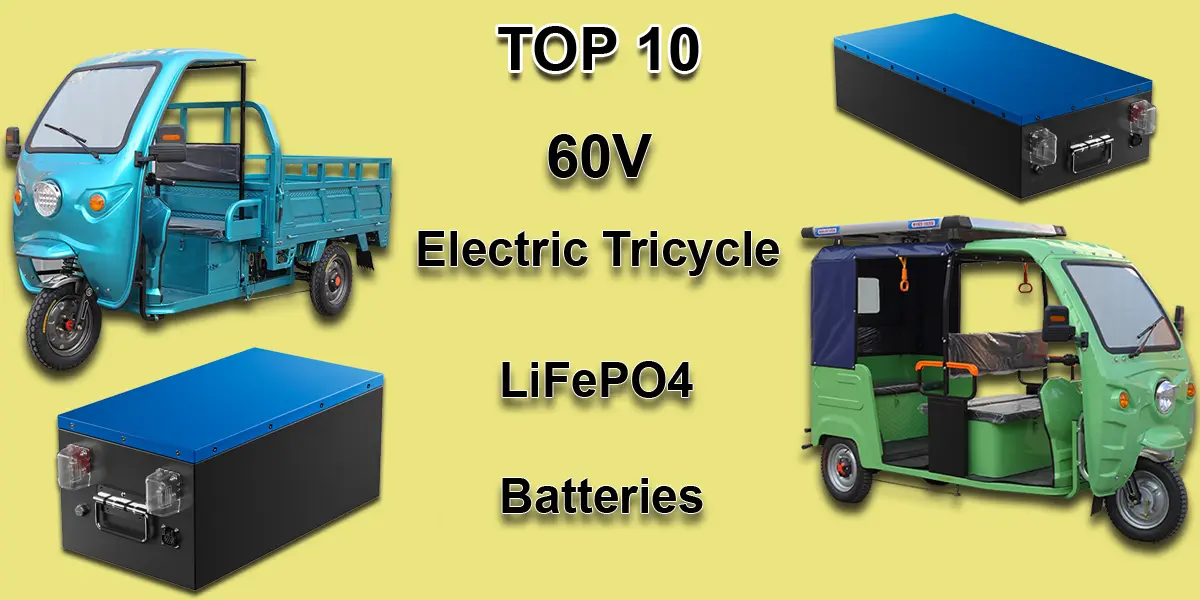
LEAD-WIN specializes in providing high-quality LiFePO4 batteries for electric tricycles, renowned for their exceptional safety, stability, long cycle life, and high energy density. When your electric tricycle is equipped with our LEAD-WIN lithium batteries, you'll experience outstanding performance and powerful drive. Let's explore the most popular and top-performing LiFePO4 batteries for electric tricycles at the mainstream voltage of 60V:
This LEAD-WIN 60V 30Ah LiFePO4 battery is a standard lithium battery designed for electric motorcycles, electric tricycles, and low-speed four-wheel vehicles. Compact and lightweight, it is ideal for replacing existing lead-acid battery compartments to achieve a weight-saving upgrade. View product details>>

Main Features:
LEAD-WIN's 60V 45Ah LiFePO4 batteries are available in stock for bulk supply. Ideal for passenger/light cargo commuter tricycles, they offer broad applicability and are a common choice for entry-level commercial operations. View product details>>

Main Features:
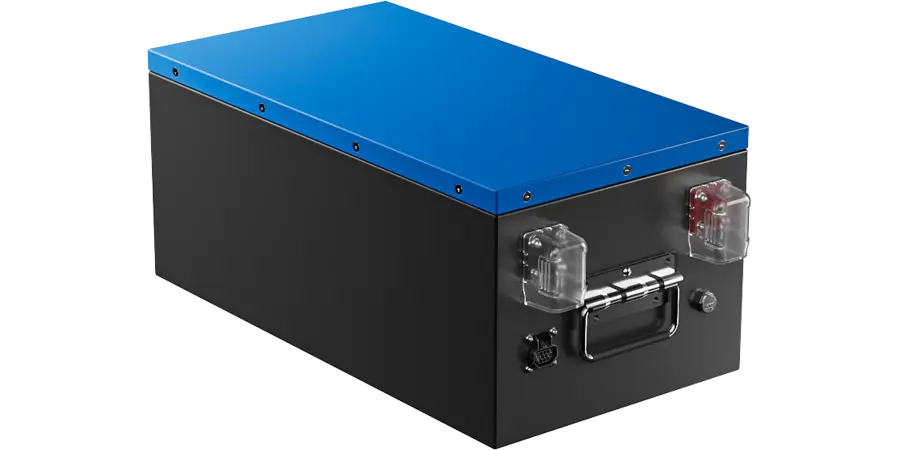
LEAD-WIN's 60V 65Ah LiFePO4 battery utilizes high-quality CATL cells, delivering a peak discharge current of up to 195A to meet instantaneous high-power output demands. This enables effortless hill climbing and loading, making it the ideal choice for electric motorcycles, electric tricycles, and low-speed quadricycles. View Product Details>>
Main Features:
LEAD-WIN's 60V 70Ah (72Ah) LiFePO₄ battery, similar to the 60V 65Ah model, utilizes CATL cells and delivers comparable mid-to-high-level performance. It handles scenarios like hill climbing and heavy-load starts with greater ease. View product details>>

Main Features:
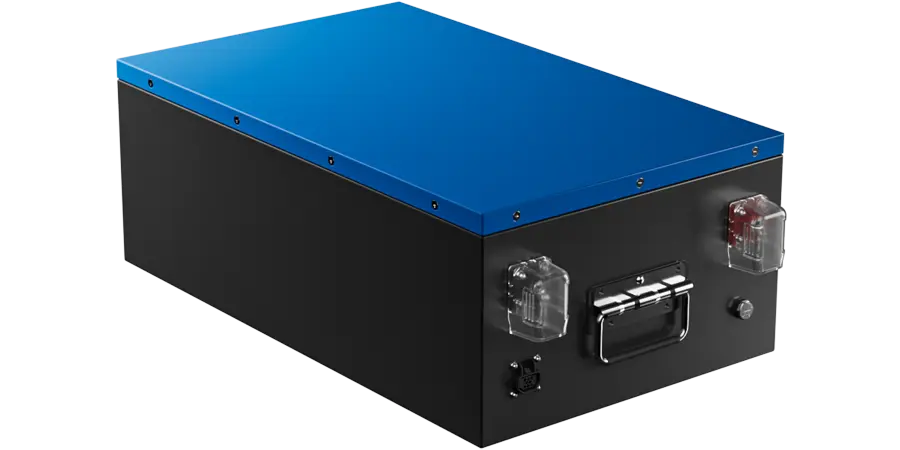
LEAD-WIN's 60V (64V) 90Ah LiFePO4 battery achieves a breakthrough in capacity, specifically designed for extended range and heavy-duty applications. It effortlessly delivers over 120 kilometers of range and supports sustained high-load operation of high-power motors. View Product Details>>
Main Features:
This LEAD-WIN 60V 100Ah LiFePO4 battery utilizes CATL LFP 104Ah cells, delivering a total energy capacity of 6.65kWh. It provides robust, stable, and reliable power for electric tricycles and low-speed four-wheel vehicles. We offer a five-year basic warranty for this product, ensuring dependable after-sales support. View Product Details>>

Main Features:
Upgrade your electric tricycle with this 60V 125Ah LiFePO4 battery from LEAD-WIN, featuring an ultra-high capacity of 8kWh. This product delivers not only remarkable range but also superior sustained high-current discharge capability, ensuring exceptional power performance under any operating conditions. View product details>>

Main Features:
This LEAD-WIN 60V 160Ah lithium iron phosphate battery utilizes CATL 160Ah cells, delivering a capacity of up to 10.24kWh. It effortlessly supports continuous high-intensity operation for dozens of hours in applications such as electric tricycles, golf carts, and robots. Its lightweight 75kg design and compact housing (made from SPCC cold-rolled steel) make it ideal for tight installation spaces. View Product Details>>

Main Features:
This LEAD-WIN 60V 200Ah LiFePO4 battery utilizes CATL cells, delivering an ultra-high capacity of 12.8kWh. Equipped with an advanced integrated battery management system, it provides exceptional power for a wide range of devices and vehicles. Now available in bulk supply with two size options, customization services are offered. View Product Details>>

Main Features:
Experience our LEAD-WIN 60V 230Ah lithium iron phosphate battery. Its high capacity (14.59kWh) delivers sustained power for electric tricycles, golf carts, low-speed four-wheelers, and robotic applications. Additionally, its 500A ultra-high power output handles hill climbs and heavy-load starts with ease. View product details>>

Main Features:
In electric tricycles or low-speed quadricycles, the battery serves not only as the power source but also directly impacts range, load capacity, and overall performance. Selecting an appropriate lithium battery can significantly enhance vehicle efficiency and extend its service life. Below are key factors to consider when making a purchase:
The 60V system strikes an excellent balance between power and energy efficiency. Compared to 48V batteries, 60V batteries deliver stronger output power and smoother acceleration. Compared to 72V systems, they feature simpler circuitry, lower costs, and broader vehicle compatibility. Consequently, 60V lithium batteries are the mainstream choice for electric tricycles and low-speed quadricycles.
This is primarily caused by environmental factors, usage habits, or battery aging. Temperatures below -10°C can cause LiFePO4 cell capacity to decrease by 30%-50%, necessitating a battery heating system. Long-term overloading and rapid acceleration increase energy consumption; maintain a steady speed and avoid exceeding rated load capacity. If the battery has been in use for over 3 years, cell aging may be the cause. Measure the voltage of each cell; if the voltage difference exceeds 0.1V, perform equalization maintenance.
Urban commuting: 60V 30Ah–45Ah;
Daily transport / passenger vehicles: 60V 65Ah–100Ah;
Heavy-duty or long-haul freight: 60V 125Ah–230Ah.
No. Mixing batteries will cause voltage mismatches, potentially damaging controllers and motors in mild cases, and leading to battery overcharging, short circuits, or even fires in severe cases. Even batteries rated at the same voltage (e.g., 60V) but with different capacities (such as 60V 50Ah and 60V 100Ah) should not be mixed, as this accelerates the aging of the lower-capacity battery.
Sure.
We support customization for:
With the rapid development of electric transportation, 60V LiFePO4 lithium batteries have become the mainstream power solution for electric tricycles and low-speed quadricycles. From the 60V 30Ah model for light-load, short-distance use to the 60V 230Ah model for heavy-load, long-range applications, every LEAD-WIN model provides a precise solution tailored to different usage requirements.
Utilizing CATL Grade A lithium iron phosphate cells, these batteries excel in safety, cycle life, and performance stability. They not only meet diverse needs such as urban commuting, logistics delivery, and agricultural transportation but also provide global users with an efficient, reliable, and eco-friendly energy choice.
Whether you are a distributor, vehicle manufacturer, or end-user, selecting a high-quality 60V LiFePO4 battery is the optimal path to enhance vehicle performance, extend service life, and reduce operational costs.


